

What 1,042 Harrogate residents taught me about democracy

A few years ago I became fascinated by a piece of democracy technology called Polis.
The idea was simple. Could technology help people find common ground rather than simply shout at one another?
That fascination eventually led me to co-found Suffrago.
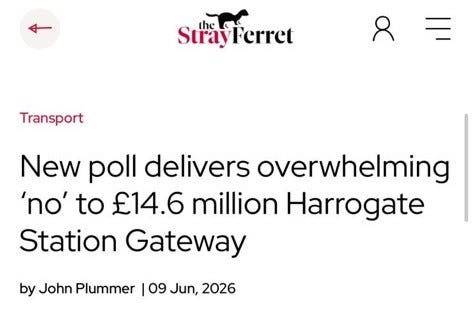
This week, in partnership with The Stray Ferret, more than 1,000 people took part in a discussion about Harrogate’s £14.6 million Station Gateway scheme.
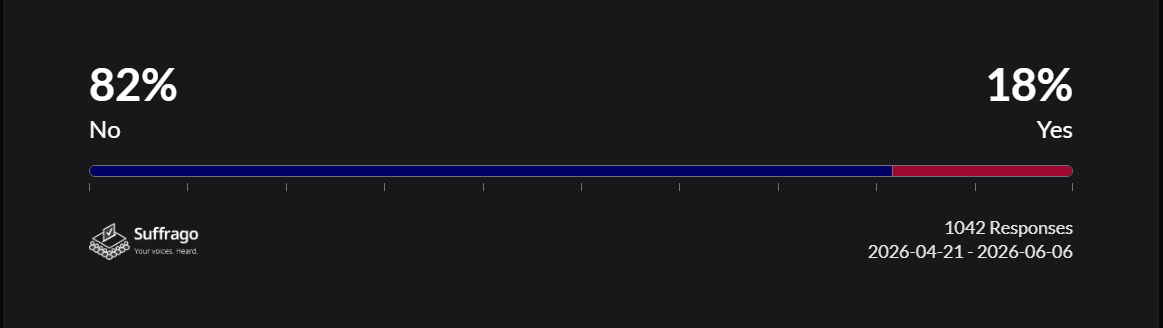
For context, Harrogate is not a huge place. The Station Gateway project is controversial, but it is hardly an acute emergency. Yet 1,042 people took the time to engage.
That matters a lot.
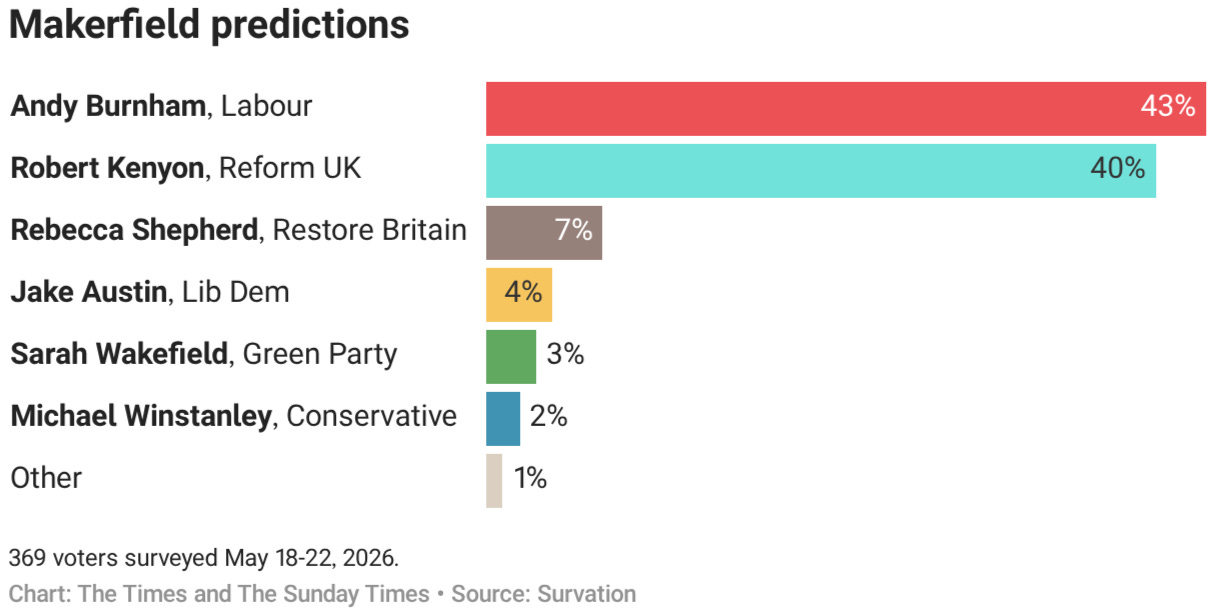
Because we have become, as a country, comfortable with very low levels of public participation. During the current Makerfield by-election campaign, one of the most important political contests in Britain, The Times recently reported voting intention figures based on a survey of just 369 people.
Three hundred and sixty-nine. Let that sink in.
And this poll of 369 people is shaping not just the local conversation but the national one too. In fact, the prospect of Andy Burnham as PM may impact - for better or worse - the interest rates upon which the government pays. Ie, all tax payers are impacted by a poll of 369 people.
This is not a criticism of The Times or the polling company involved. It is simply how political polling is typically conducted.
This raises an obvious question.
In an age when millions of people carry powerful computers in their pockets, why are we still relying on tiny samples when technology allows us to hear from far more people?
Traditional polling undoubtedly has its place. Representative sampling is valuable and often necessary.
But representative polling and mass participation are not mutually exclusive.
At Suffrago, our thesis has always been that people want to be involved when participation is simple, accessible and relevant to their lives.
The Harrogate results reinforce that belief.
The future of democracy is not choosing between representative democracy and direct participation. It is finding better ways to combine the two.
That is why we are continuing to invest in the platform. Version 3 is already on its way, bringing a significantly improved user experience and making it even easier for organisations, communities, newspapers and campaign groups to host meaningful public conversations.
One of the things that excites me most is that Suffrago can be embedded into virtually any website. Newspapers, charities, councils, campaign groups, membership organisations and businesses can all use the technology to hear directly from the people they serve.
The future of democracy will not be built solely in Westminster.
It will be built in towns, cities and communities.
This week, Harrogate gave us a glimpse of what that future might look like and we are buzzing with excitement.
Andrew Gray - CEO of Suffrago

Another question we're asking this week: When personal tragedy becomes part of public debate, where should the line be drawn? Vote on whether politicians should respect a family's wishes if they do not want a deceased relative used in political campaigns or debates.